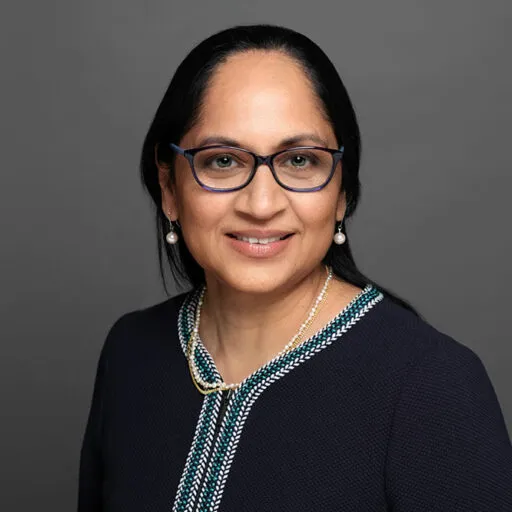
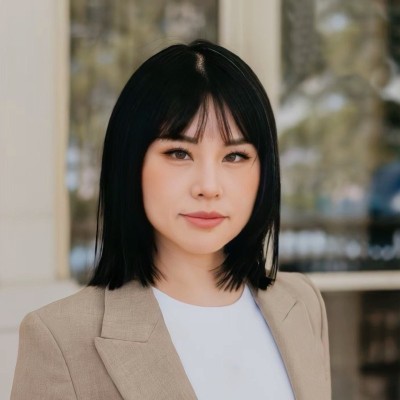
After corporate investigations, I am now Head of Investigations at the IFRC, tackling fraud, corruption, and sexual misconduct in the humanitarian sector. Integrity guides me, even when it’s uncomfortable. I ask hard questions, challenge silence, and stand for accountability — always keeping the interests of the most vulnerable at heart.
What makes you a Risky Woman?
I qualify as a risky woman because I strive for truth and equity in the humanitarian sector as I investigate misconduct. I uphold values of integrity and accountability and therefore, I do not fear challenges or disrupting comfort for progress. My strength lies in vision, courage, and an unshakable sense of what must change.
Name your top 3 achievements
- I led high-stakes investigations across complex crisis humanitarian contexts.
- I built a diverse and global team for investigations.
- I strengthened IFRC’s systems for accountability (to our beneficiaries, staff and donors) and developed solid prevention strategies.
What is the biggest risk you’ve taken in your career?
Investigations always involve risk. My biggest was launching a high-profile sexual misconduct case involving senior leadership. I faced power dynamics, political pressure, media risk, and personal threats. I stood firm. The outcome: leadership change, stronger safeguarding measures, and a renewed commitment to transparency and accountability across the organization.
What’s something most people don’t know about you?
People cannot realize how much the stories I investigate stay with me. Each one leaves a mark—shaping how I lead, make decisions, and keep fighting for people to speak up and be heard, especially when their means to do so are almost non existent.
What is the best quality for successful leaders in Risk?
Courage and consistency: courage for not being frightened of disturbing power dynamics, and consistency to remain grounded in what we believe in. Both drive our purpose.